Kaziranga pairs well with a trip further east — I wrote about four days in the Sundarbans if you want to keep the wildlife streak going. For booking safari permits in advance, the Kaziranga National Park official site is the place to start.
>I started my trip to Kaziranga riddled with diarrhoea, running on zero sleep, and facing a six-hour drive. It wasn’t exactly the “glamorous traveller” vibe I was going for. But that’s the thing about real travel — it doesn’t care about your itinerary.
The Storks and the Stench: A Lesson in Survival
Before even hitting the park, we had a mission: find the Greater Adjutant Stork. Our birder friends pointed us toward a massive garbage dump near Guwahati.
It sounds unsavoury, and frankly, it smelled worse. But there is a profound conservation story here. These birds are among the rarest storks on earth. Seeing the largest colony of them living atop a literal mountain of human waste is a reality check — amazing and slightly heartbreaking to see how nature adapts when we make it difficult.
Husain’s Note: Don’t skip the dump. It’s not “pretty” for Instagram, but it’s the most honest wildlife encounter you’ll have in Assam.
The Fastest Lunch in Human History
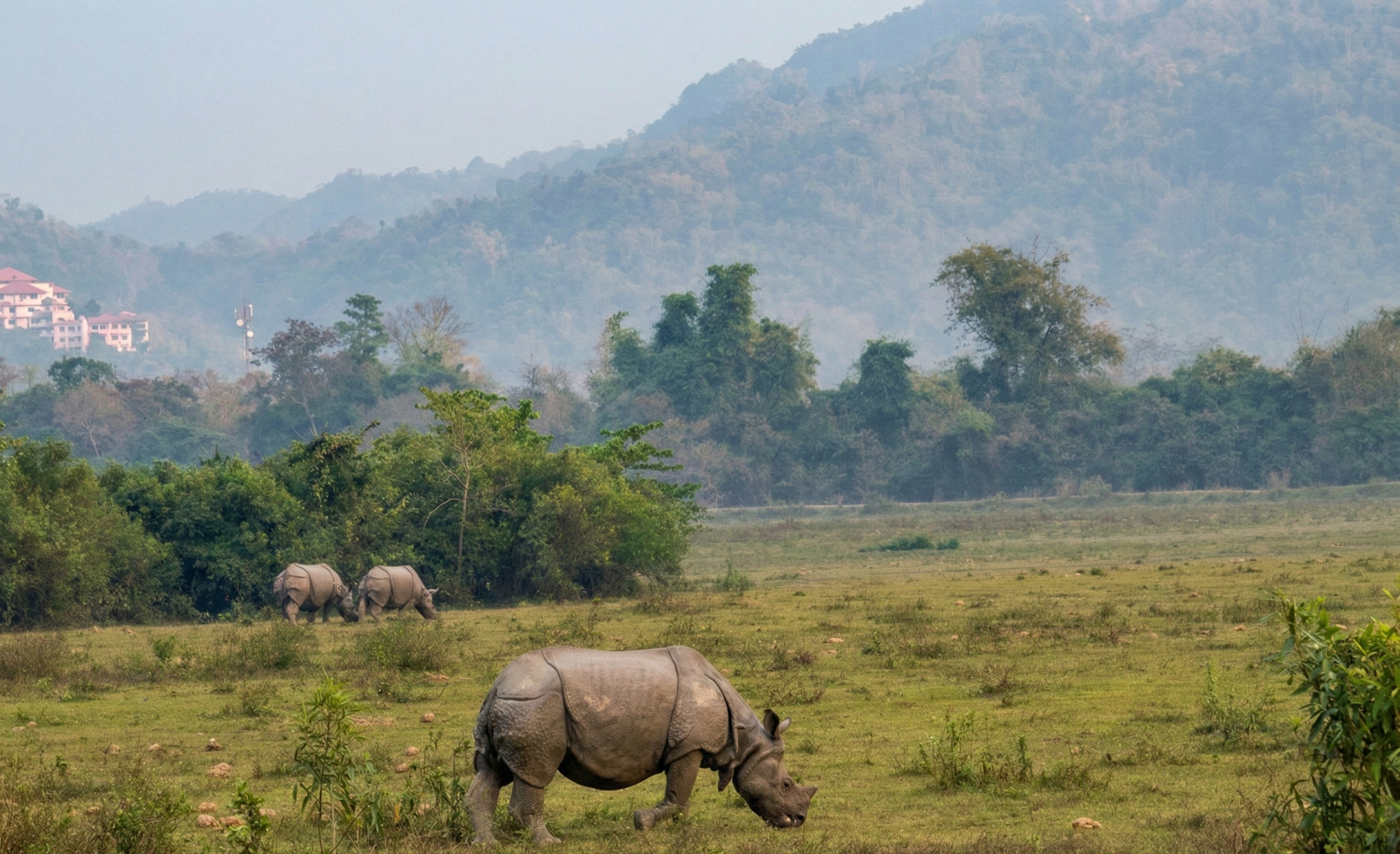
As we neared our resort, hog deer were grazing peacefully along the edges of the road, and rhinos were already visible in the distance. Because the drive took longer than planned, I’m fairly certain I set a record for the fastest lunch ever had by a human before racing to the Central Range.
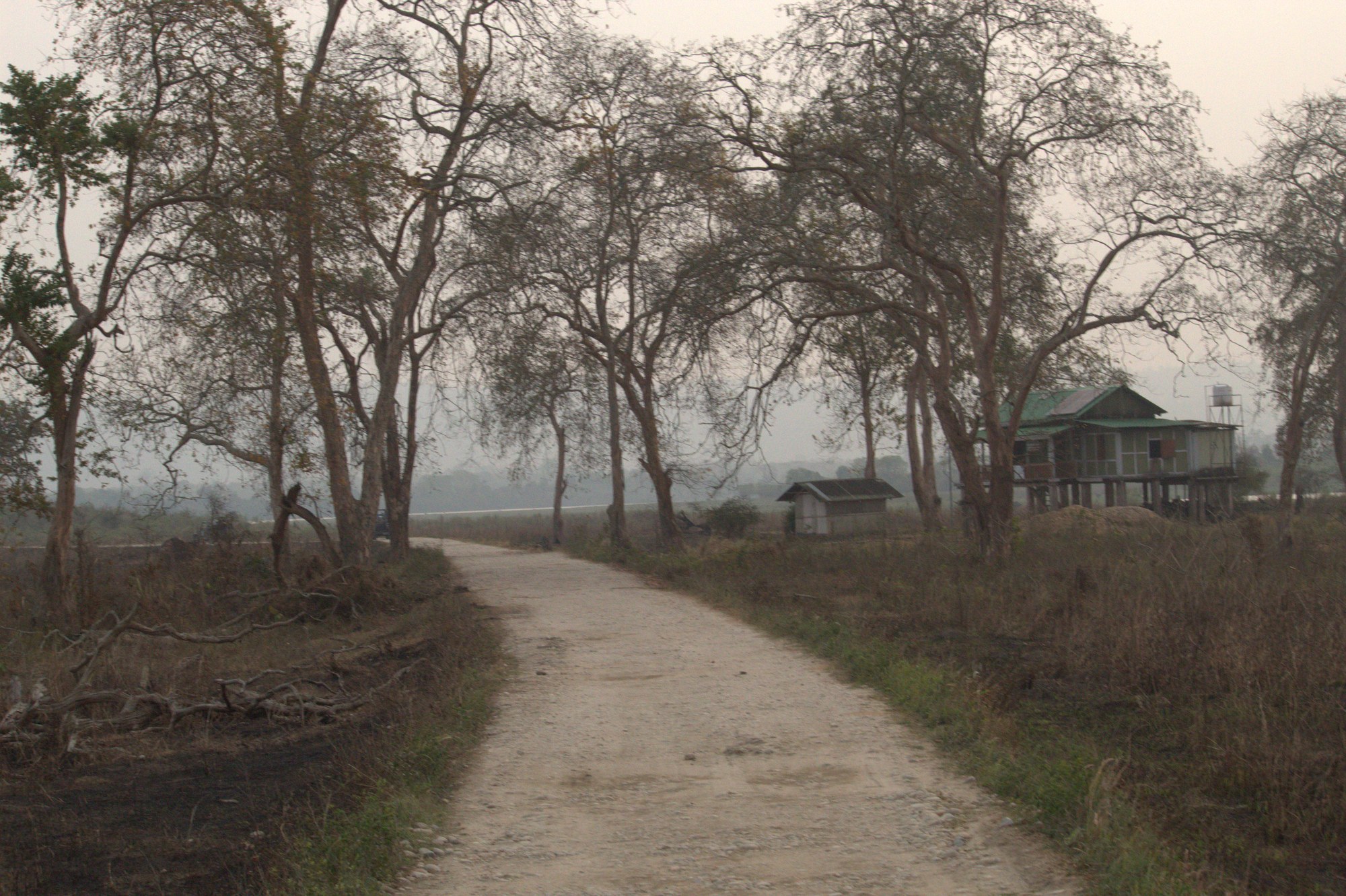
While every other jeep was huddled around a grass patch, desperately hoping for a tiger sighting, my guide and our jeep kept moving. We weren’t interested in the “traffic jam” safari experience.
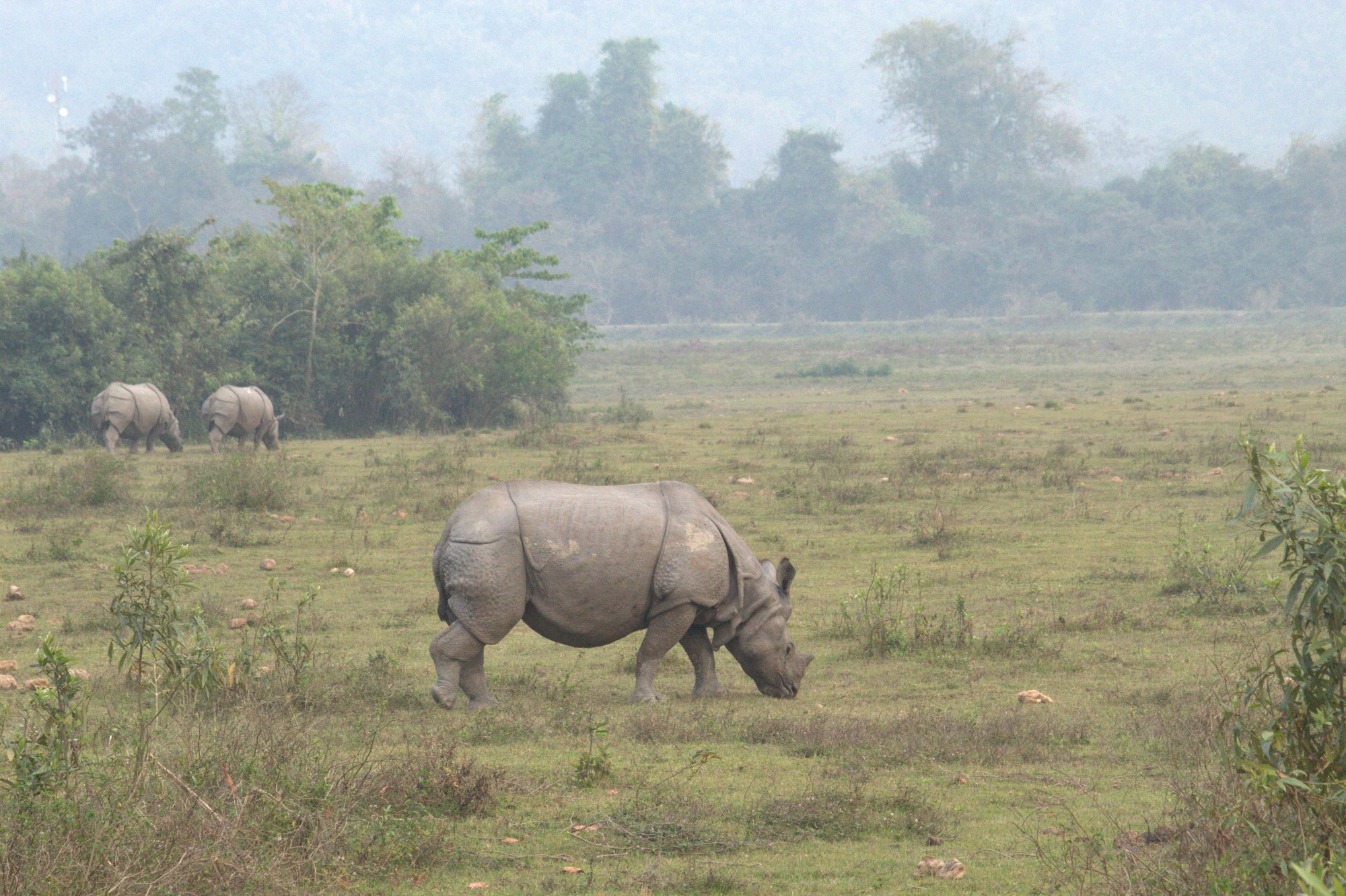
And we were rewarded amply. We came face-to-face with a daring rhino who couldn’t have cared less about us — a prehistoric tank with the temperament of a bored librarian.
When the Forest Unravels
The moment you forgo the tiger, the forest magically begins to unravel. Perfectly camouflaged raptors observing us. Keen-eyed owls hidden in the canopy. Hog deer feeding themselves, totally ignorant of our presence.
By the time the sun set over the tall grasses and the soothing sounds of the Brahmaputra took over, the difficulties of the day were forgotten. Life felt good in that instant.
The Group Leader Room (or The Segmented Cold Shower)
Then, I checked into my resort. Things fell apart. The fan didn’t have a switch — just live wires shoved into a socket. The bathroom had a broken shower head and a non-functional geyser. I had to learn a new technique: The Segmented Cold Shower. First the hands, then the legs, then the torso — all while cursing my luck at a volume that was definitely not inaudible.
The Eastern Range: A Birder’s Bumper Bonanza
The next morning, we headed to the Eastern Range. Since most tourists are fixated on tigers, it felt like the entire range was left for us. It was, hands down, some of the best birding I’ve ever experienced in India — and I’ve explored a lot.
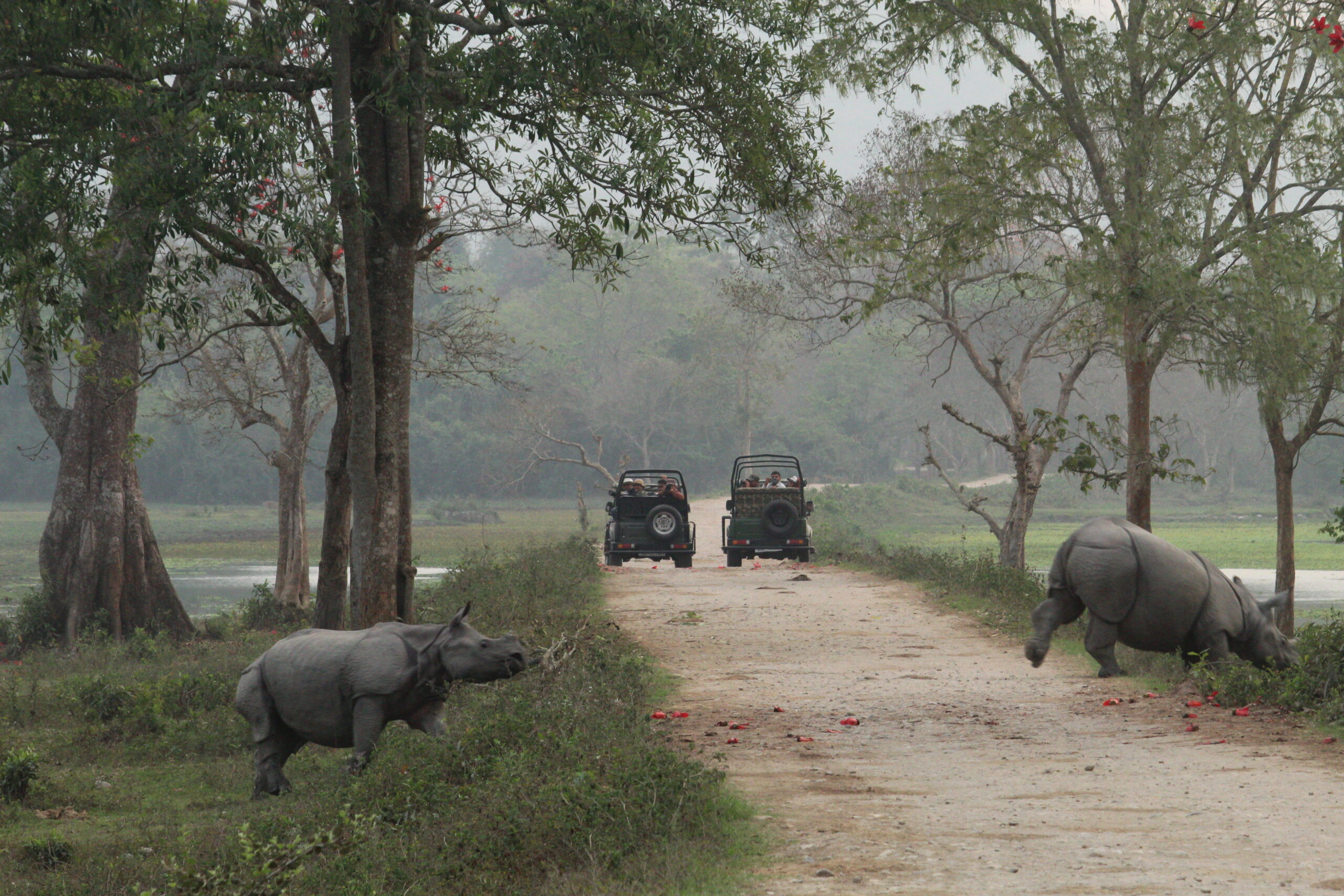
We saw raptors, parakeets, ducks, waders, and shrikes. Later, in the Western Range, we spent 30 minutes with a mother rhino and her calf and got a stunning shot of a flock of Bar-headed Geese landing in the lake.
The Neck-Sprain at the Gibbon Sanctuary
We finished with a 4 AM dash to the Hoolock Gibbon Sanctuary, about three hours away. We were very keen to spot India’s only ape.
We spent over two hours trekking through various paths, nearly giving up hope. Our guides persisted — and eventually, we tracked down an entire family high in the canopy.
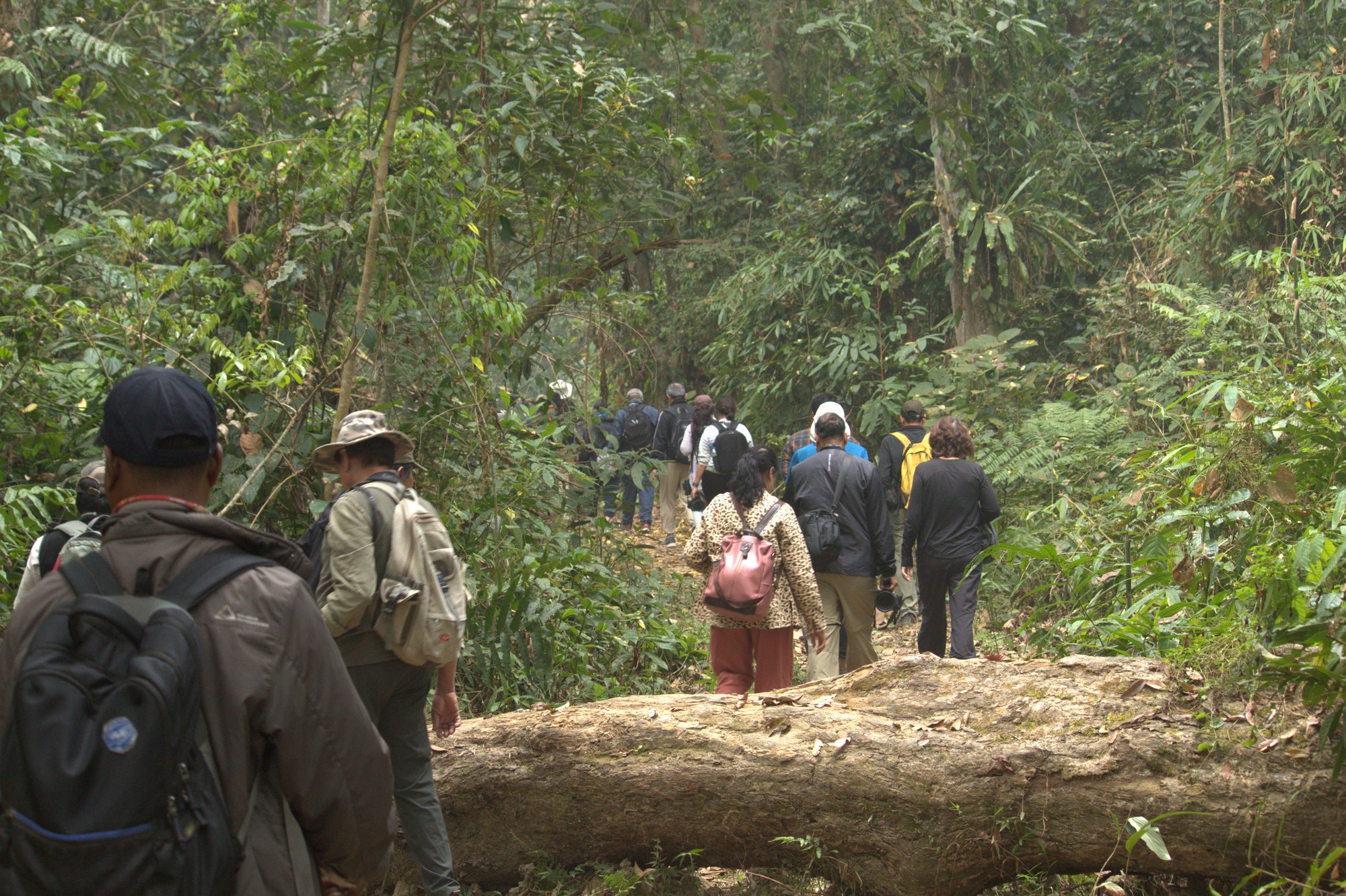
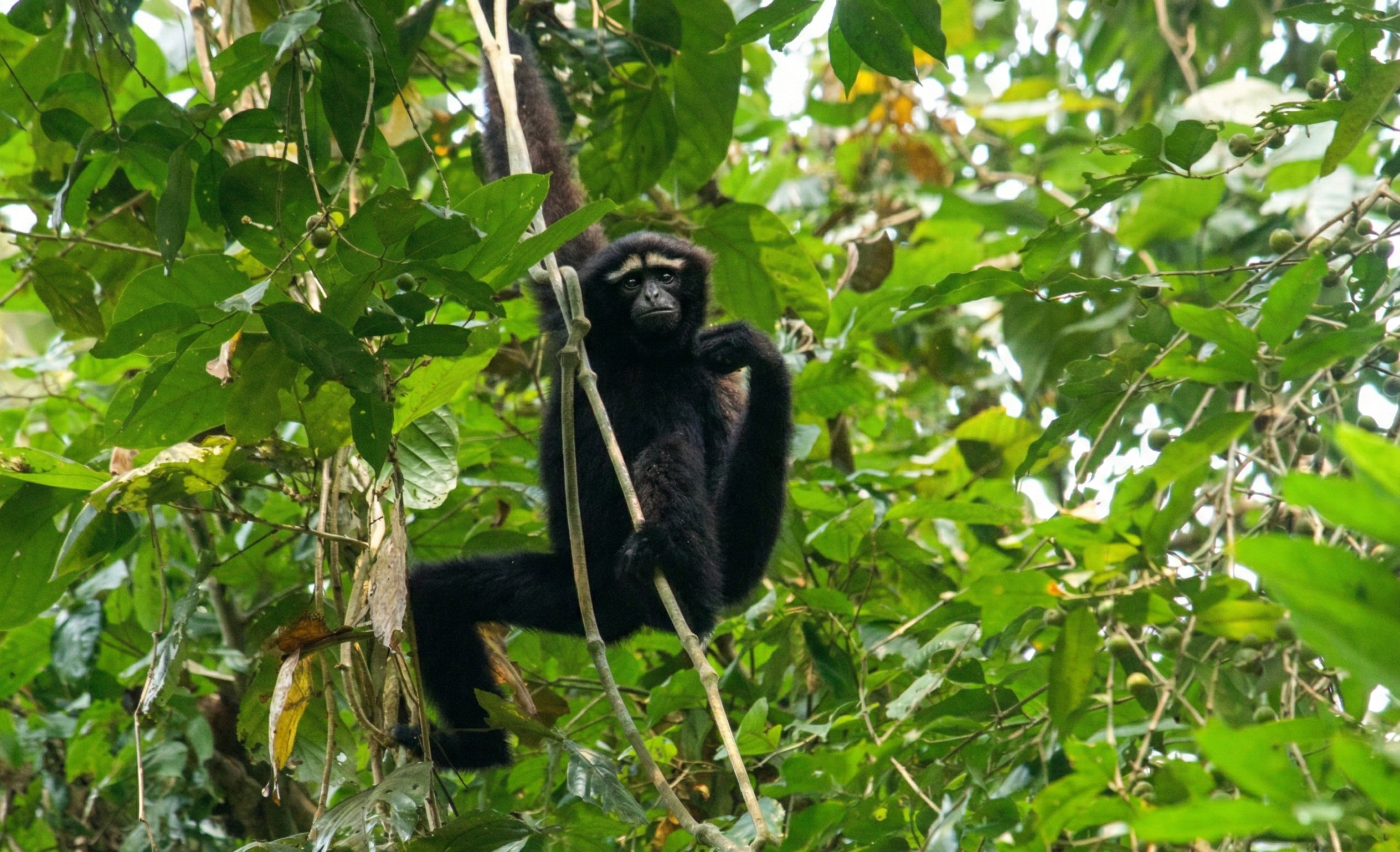
We realised at the end that we all needed a professional massage for the necks we had sprained craning toward the treetops.
Final Thoughts
I flew back home to Mumbai with sweet memories, a layer of dust, and a realisation: the jungle reveals its best secrets only when you stop being obsessed with the “star” of the show.
Planning Your Kaziranga Trip
How to get to Kaziranga from Mumbai or Delhi: Fly to Guwahati, then drive approximately 4–5 hours to Kaziranga. Jorhat airport is closer but has fewer flight options.
Best time to visit Kaziranga: November to April. The park closes during monsoon (May–October). February and March are ideal for wildlife sightings and birding.
How many days do you need in Kaziranga: Minimum 3 nights / 4 days. One day per range — Central, Eastern, and Western — gives you a proper experience.
Will I see a tiger in Kaziranga? Possibly. Kaziranga has a healthy tiger population, but sightings are not guaranteed. Go for the rhinos, the birds, and the landscape.
Which safari range is best in Kaziranga? Central Range for rhinos. Eastern Range for serious birding — least crowded. Western Range for rhinos with calves and good photography.
Husain Tinwala is the founder of Global Journeys, a Mumbai-based travel company specialising in bespoke itineraries. This journal is where he writes about his own.