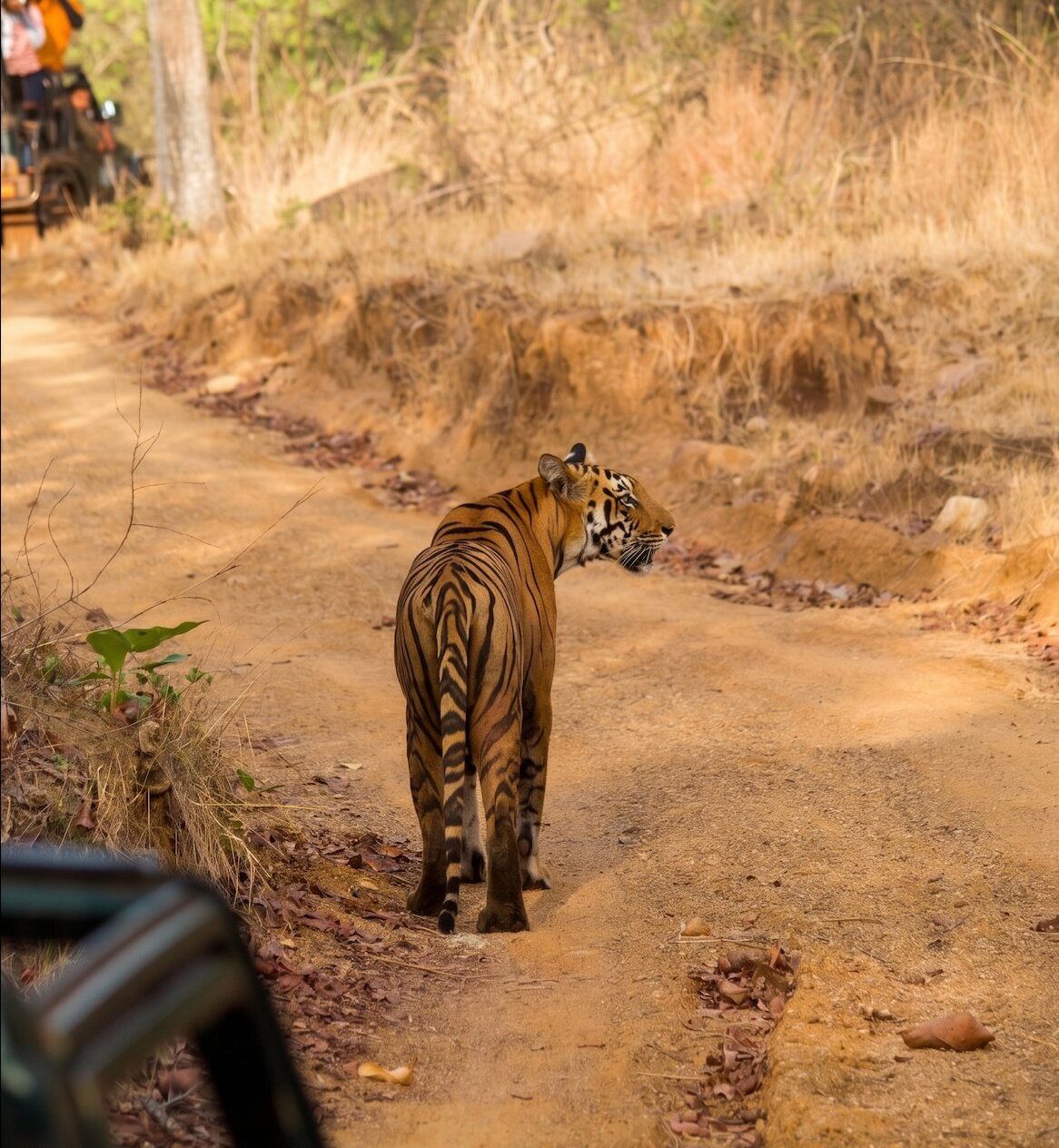
The heat in Vidarbha doesn’t ease you in — it arrives all at once, and then it stays. That heat, it turns out, is the best thing that can happen to a Tadoba safari.
A Forgotten Memory Card and a Late Start
I flew into Nagpur on an early morning flight, had a forgettable breakfast with an unforgettable price tag, and walked out into heat that had no interest in easing you in. This was May in Vidarbha — punishing heat that tests your patience at every step.
Mine snapped almost immediately when I realised I had forgotten every single memory card I owned, back in Mumbai. For a photography enthusiast, this is about as bad as it gets. We stopped at a mall in the city, but Nagpur isn’t a city of early birds — everything stays shut till 11 AM. Fortunately, one of my guide friends stepped up and offered his card, and we drove on to Kolara Gate, arriving by noon.
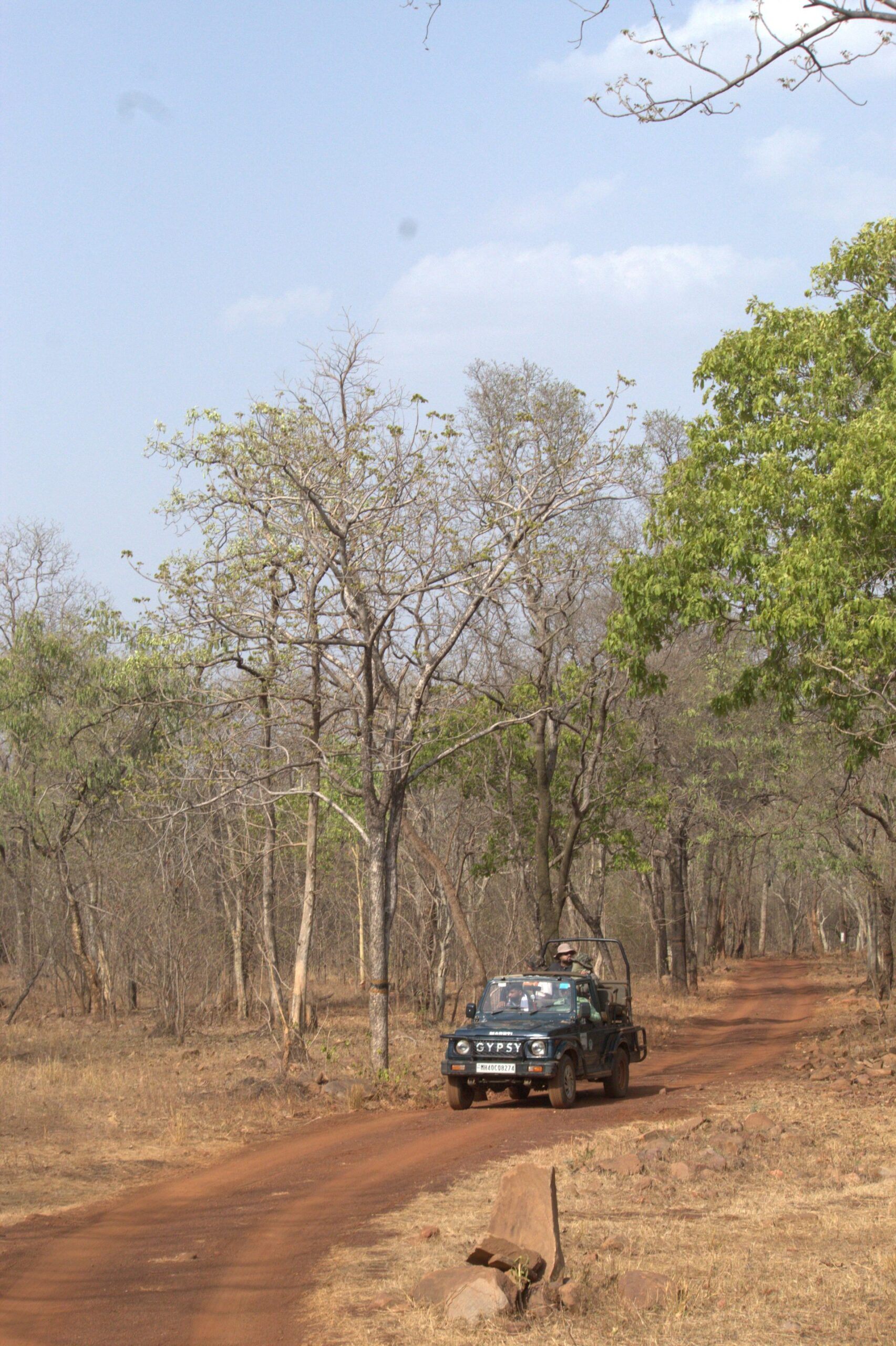
A quick lunch, then it was time for our first foray into the forest. We had specifically chosen the Kolara Chauradeo gate, which sits on the Nagpur end of the reserve — a diverse terrain of bamboo thickets, teak groves and small perennial waterholes. It is quieter than the more famous Moharli side, which is exactly why it rewards the people who choose it. Excitement was high for what was to come next.
Junabai’s Family at the Waterhole
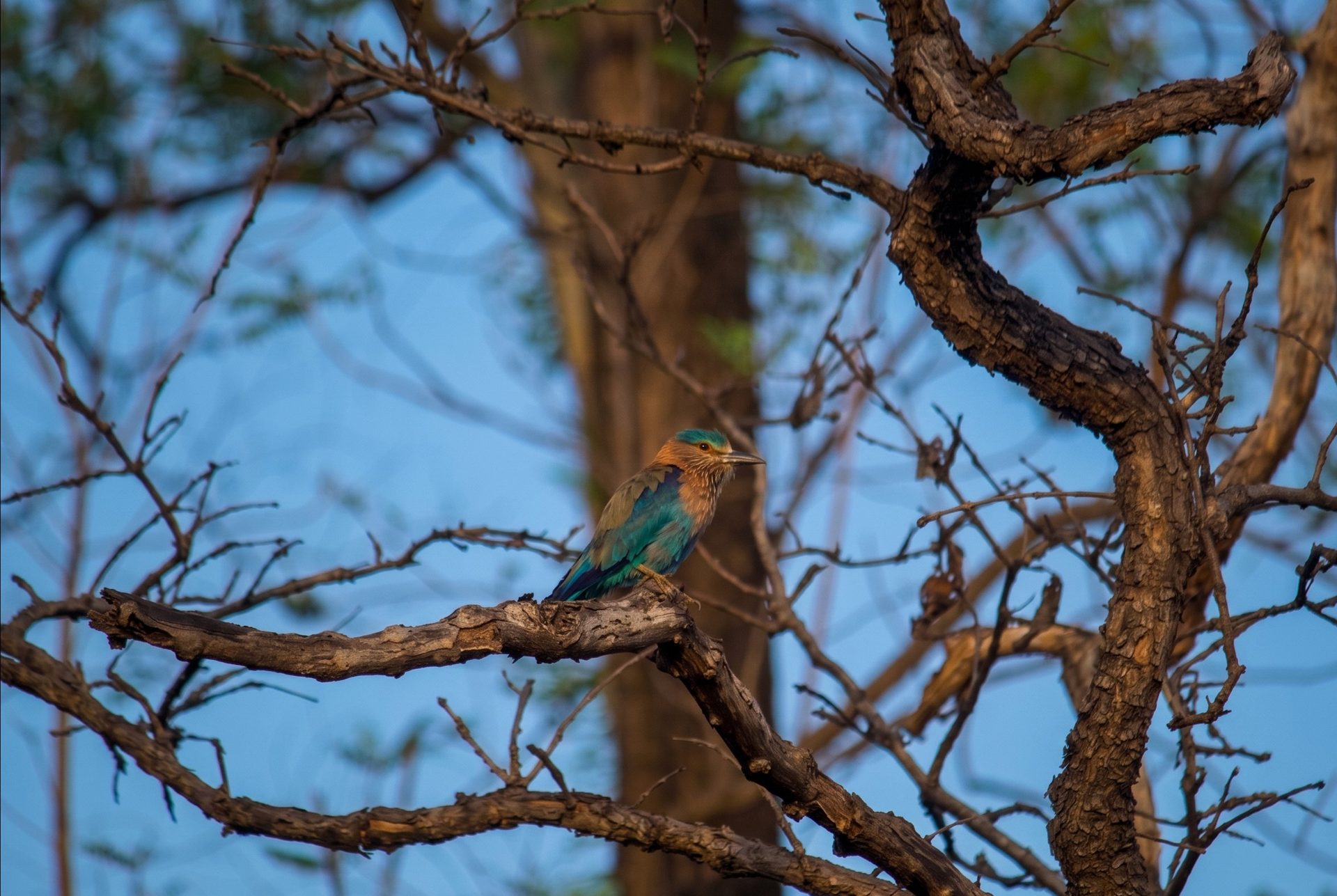
Afternoon safaris in May are hot and the light is unforgiving. But this is also when the forest concentrates itself — the heat pushes animals to waterholes, the waterholes are known, and if you know where to position yourself, the forest comes to you. Our guide had word that Junabai and her cubs were regularly showing at a particular waterhole. We headed there and found that the rest of Tadoba had the exact same word — jeeps already stacked three deep. We pulled back and spent a rather enjoyable hour birding instead, which is the underrated pleasure of this forest that most people ignore in the chase for tigers.
Then word came through the guide network. Movement near the waterhole.
We arrived just as Junabai walked into the clearing. She moved with the unhurried weight of someone who owns the ground she walks on, and behind her came two cubs — impossibly small and cute, the kind you just want to take home and play with. Before we knew it, they had disappeared back into the bush, as did the other jeeps, one by one. Our guide insisted on staying, and his instinct was shortly proved right.
A Sloth Bear, a Mahua Tree, and Then Xylo
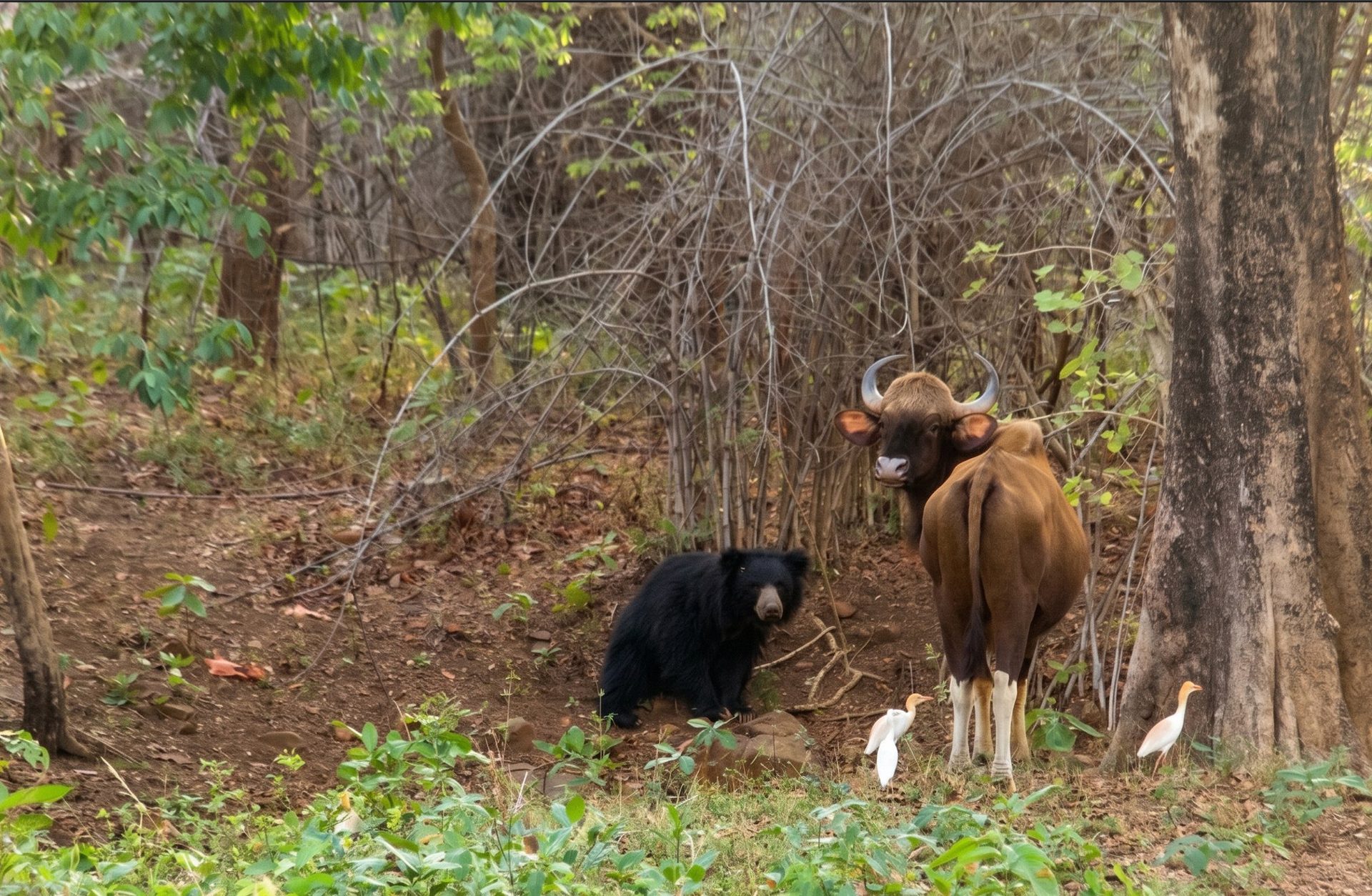
In the space that opened up, a sloth bear wandered in, rubbed his body on the ground, smelled the earth, and then decided to climb a Mahua tree — working through its honeycombs with complete indifference to us, full Nat Geo style. On any other day this would have been the sighting of the trip, although today it was just an intermission. No sooner had he had his fill and exited the scene, in walked Xylo — Junabai’s mate and father of the cubs.
The father. A full grown male tiger at close range is a different proposition entirely — the air around him felt different. He was followed by two more cubs, bringing the total tally of tigers in front of us to six. We spent the last thirty minutes of the safari with the entire family at the waterhole and wondered if we should pack up and leave — because there was probably nothing that could top this. We had three more safaris to go.
Belara at First Light
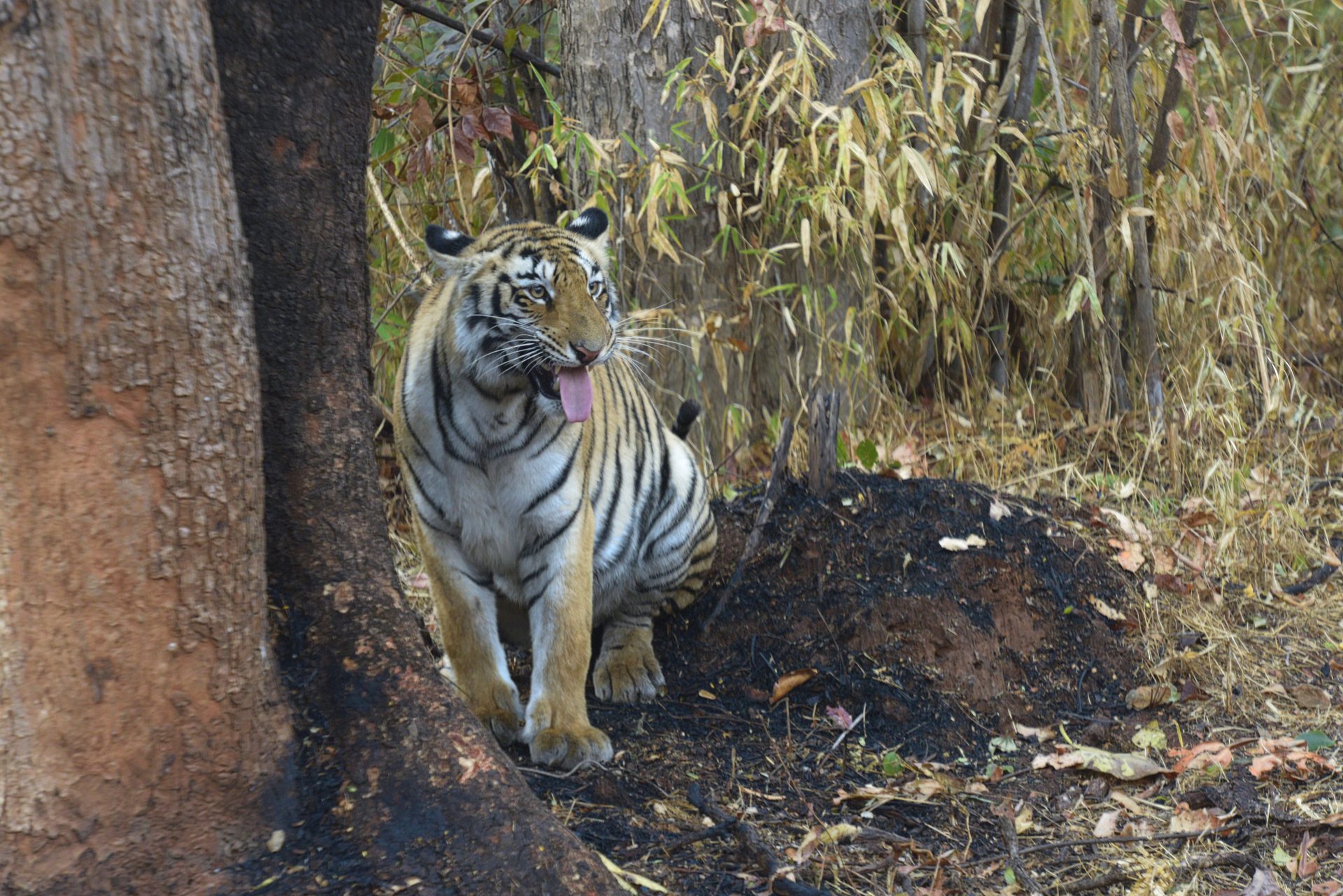
The next morning we diligently piled onto the jeeps at 5 AM and headed for Belara — one of those underrated buffer zones that delivers an exceptional safari experience. Fifteen minutes in, a leopardess crossed our path, considered us briefly, and slipped into the undergrowth. Leopards in Tadoba are uncommon enough that this alone made the early start worthwhile.
We gave up tracking her only when hunger threatened to stage a mutiny in the jeep — the early start and an exciting beginning to the morning had whetted our appetite. It was decided to stop for breakfast at a clearing in the forest, one of the simple pleasures of doing safaris in Indian jungles. Sitting in the quiet of the forest with nothing but birdsong around you, eating something warm and delicious.
Veera, Chest-Deep and Unbothered
I was in the middle of this philosophical wandering when the guide excitedly came back with news of Veera at the waterhole and bundled us back into the jeep in record time.
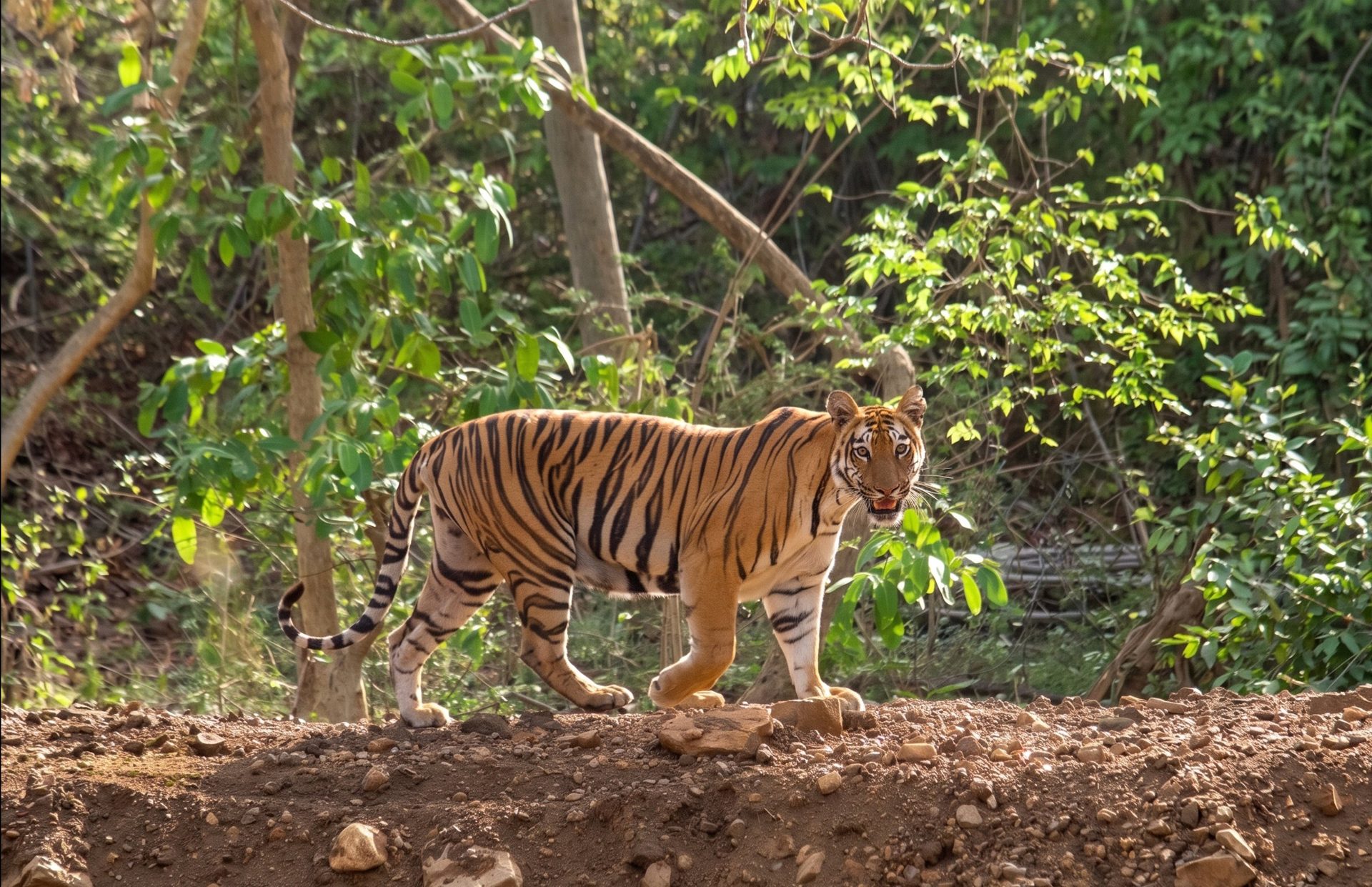
Veera is one of Tadoba’s well-known tigresses. We found her chest-deep in the water, completely unbothered. A full fifteen minutes passed in silence. Then she decided she’d had enough of the audience, walked out of the clearing with the calm authority of someone fully aware that she owns the jungle, and disappeared into the treeline. That walk — it stays with you. There is a certain grace and elegance to how these animals carry themselves that nothing else in the forest can match.
Alizanza’s Supporting Cast — and Chandni’s Hour
The afternoon took us to Alizanza Buffer — we knew that Chandni was on the move in this zone. We arrived to find her fast asleep — the jungle operating entirely on its own schedule, not ours. We decided to explore rather than wait, and Tadoba being Tadoba, it did not disappoint.
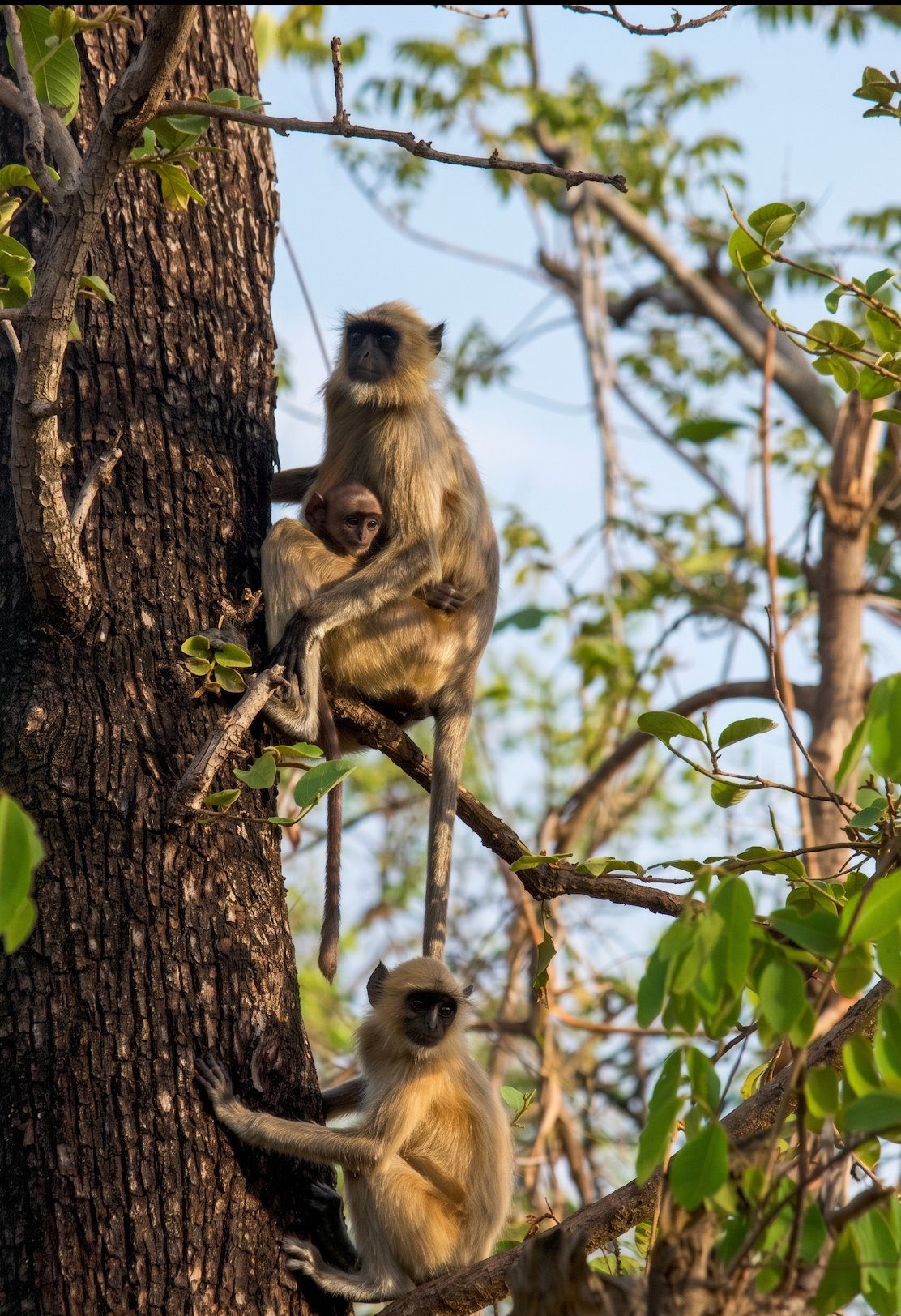
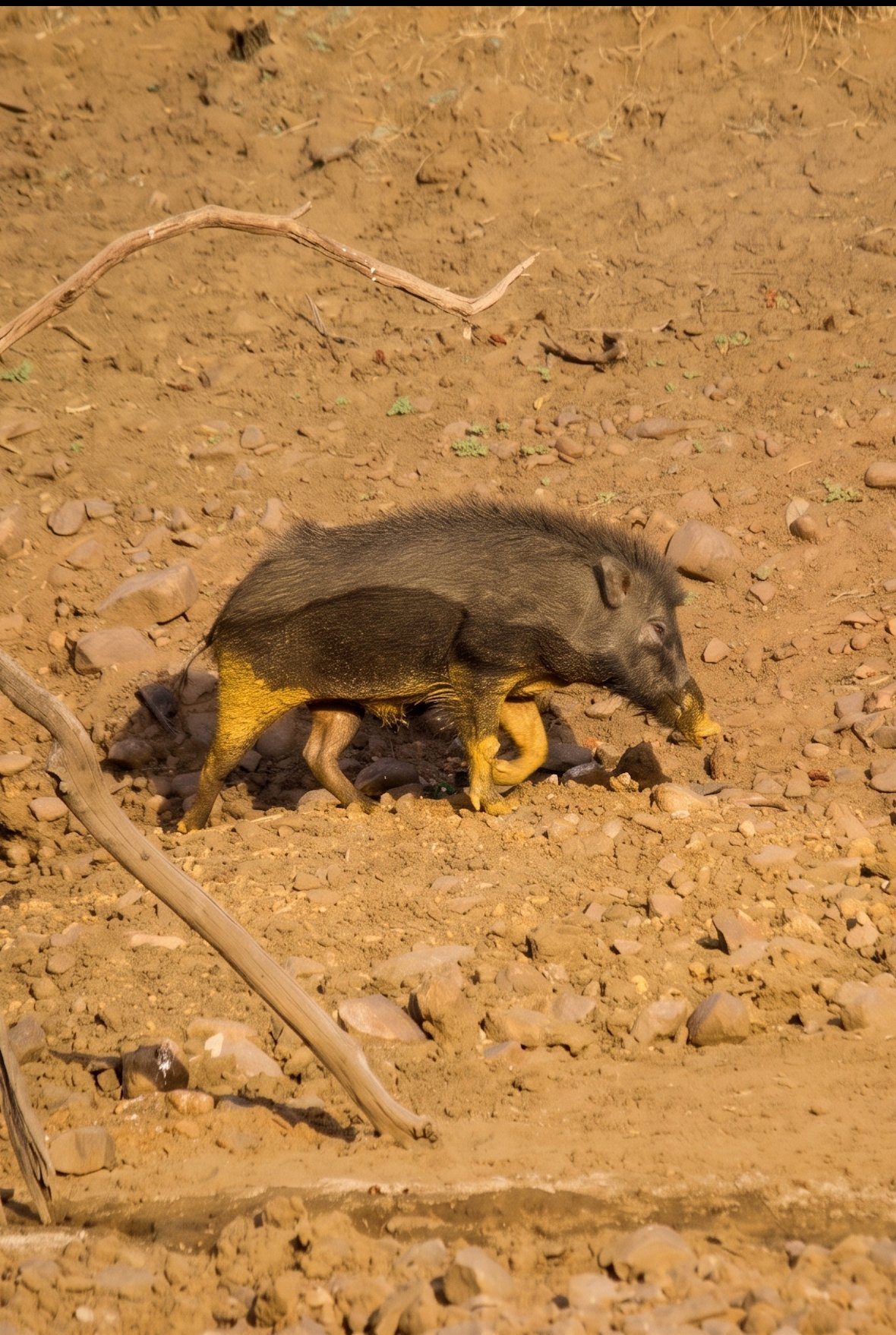
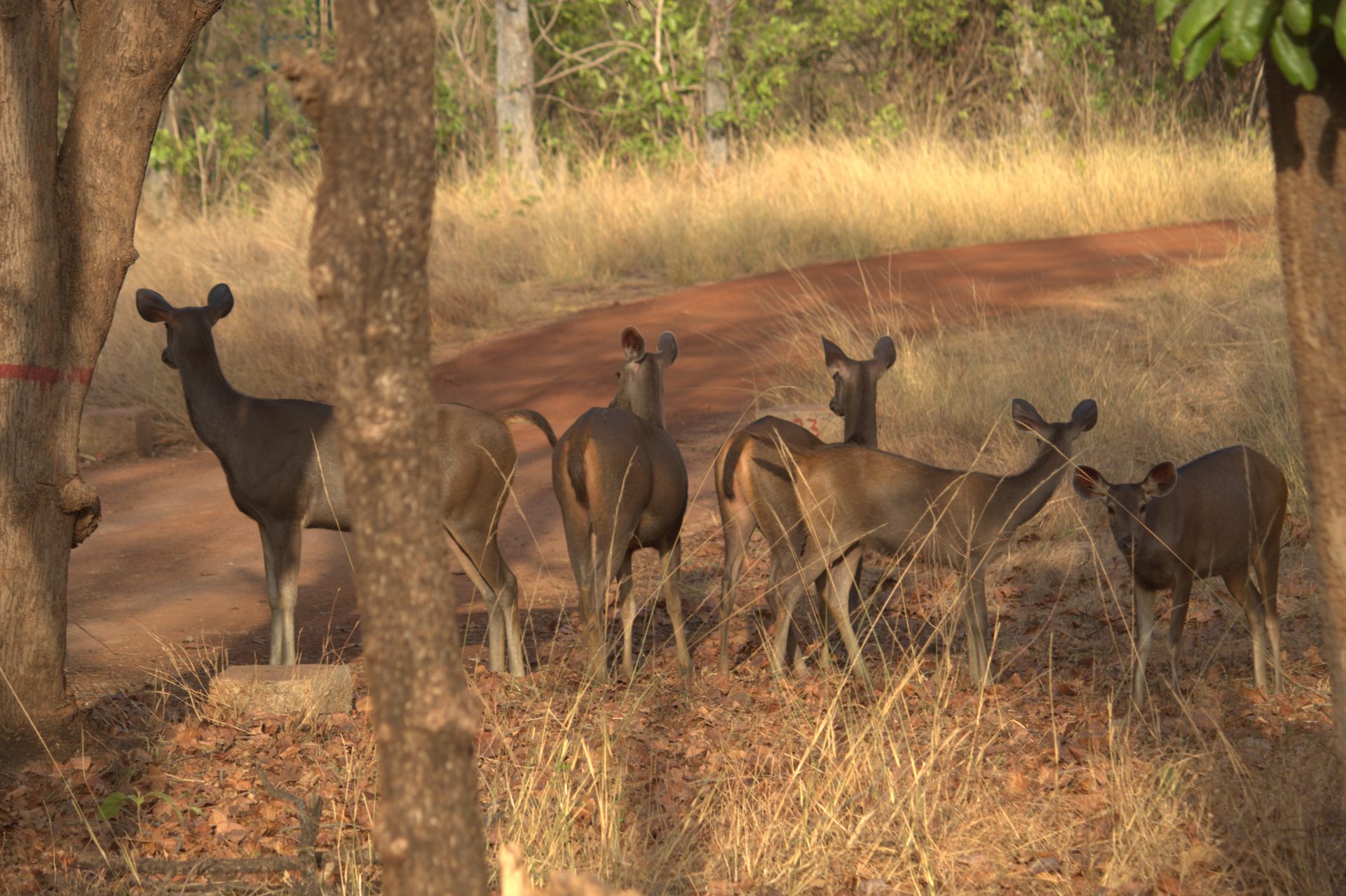
An Indian Pitta briefly made an appearance, a sloth bear and a civet cat appeared at a waterhole — as surprised to see us as we were to see them — a magnificent group of male gaurs caught the late afternoon light perfectly, and a wild boar family crossed the track with the kind of urgency that suggested they had somewhere important to be. In Tadoba, even when the headliner is sleeping, the supporting cast puts on a show.
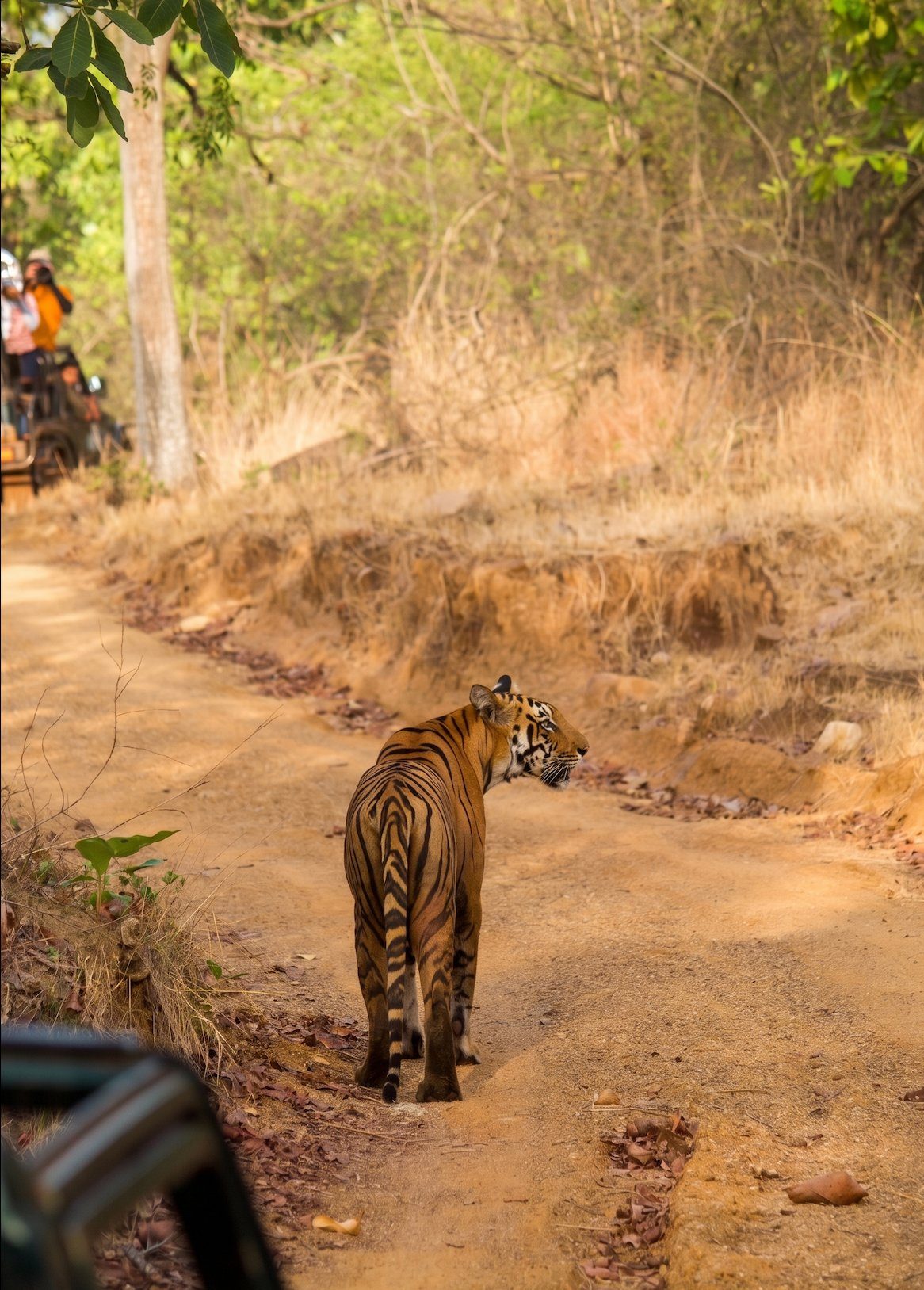
We arrived just in time, as Chandni was up and moving.
We doubled back to find four jeeps ahead of her and four behind, and she walked the jungle road entirely at her own pace — unhurried, unbothered, completely in command of the moment. This went on for nearly an hour. She would slip into the forest, disappear, reappear further along the road, pause, mark her territory and move again. There is no rushing a tiger. You adjust your timeline to theirs and consider yourself fortunate to be in the equation at all.
Three Safaris, Nine Tigers, and What Actually Makes the Difference
Three safaris. Nine tigers. Two sloth bears. One leopard. Countless birds and mammals in between.
People hear those numbers and say: lucky. There is always luck in a safari. But the conditions for that luck don’t assemble themselves on their own. My work in Tadoba over the years has given me an intimate understanding of the forest — the zones, which ones perform in which season, where the waterholes concentrate animals in summer, which buffers deliver sightings that core zone visitors consistently miss. The guide network is everything. And Tadoba’s relatively open forest means that when an animal appears, you actually see it — unlike denser reserves where a tiger can vanish ten feet from your jeep.
None of that guarantees what we had over those three days. But it improves the odds considerably.
If you’re planning a Tadoba trip, get the zone right and get the guide right before you think about anything else. The lodge matters less than you think. Who’s sitting in the front of your jeep matters more than almost everything.
What You Should Know Before You Go
May is peak season for sightings, not comfort. The heat drives animals to waterholes and the open forest makes visibility excellent. You will be uncomfortable. It is worth it. Winter offers pleasant temperatures and good birdwatching but fewer large mammal sightings. The monsoon closes the core zones entirely; some buffer zones remain accessible.
The buffer zones are not a compromise. Kolara, Belara, Alizanza and Navegaon consistently offer more peaceful sightings with fewer vehicles than the core zones. The obsession with core zone permits is understandable but overrated — any zone in Tadoba is worth your time, and which one suits you best depends on when you’re travelling.
The park is not open year-round. Core zones close during the monsoon. Some buffer zones remain open. Check the official Tadoba-Andhari Tiger Reserve website for current seasonal status before planning.
Safaris run mornings and evenings only. There are no night safaris, and timings shift with the season. Check the official booking portal for current slot times before planning your logistics around them.
Planning Your Tadoba Trip
Where do I book safaris? Through the official Maharashtra forest department booking portal. Book early for peak season — May permits for popular zones fill up well in advance.
Kolara or Moharli — which side of the park? The two main entry clusters are roughly two hours apart. Choose your lodge based on which gate your safari is booked from, not the other way around. Pangdi and Navegaon are more remote with fewer facilities but strong sightings, and worth considering if you want to avoid the crowds around the more well-known entry points.
If Tadoba has given you the appetite for more Indian wildlife, read about 96 hours in Kaziranga — the rhino to Tadoba’s tiger. For booking Tadoba safari zones in advance, use the Maharashtra Ecotourism portal.
Which zone should I book? This changes seasonally, and anyone who gives you a fixed answer without asking when you’re going is guessing. Get in touch and we’ll help you match the zone to your travel dates and what you’re hoping to see.